October 8, 2011 - I
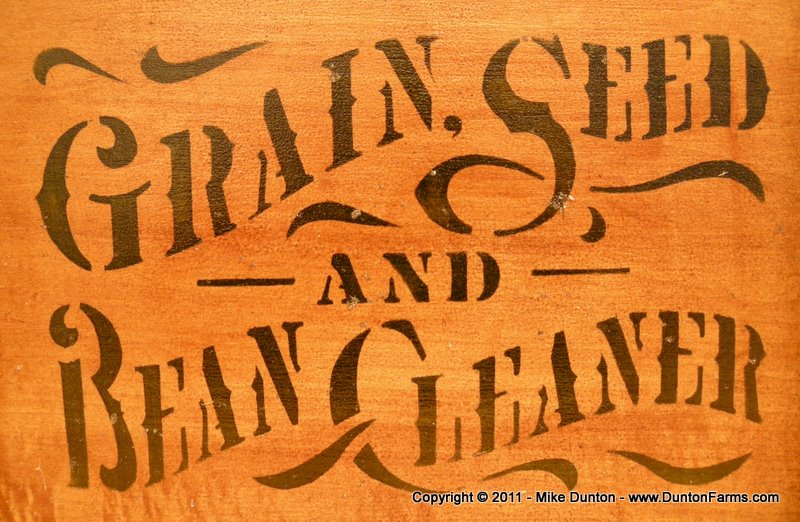
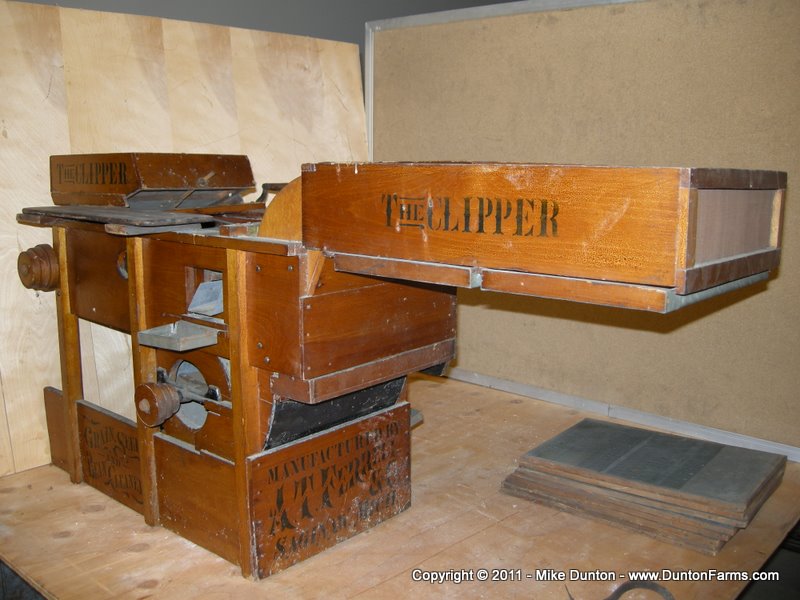
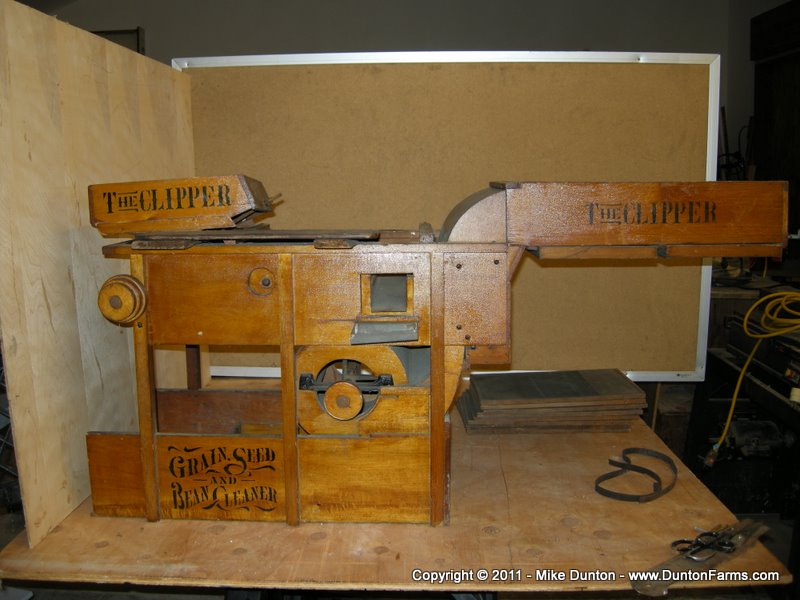
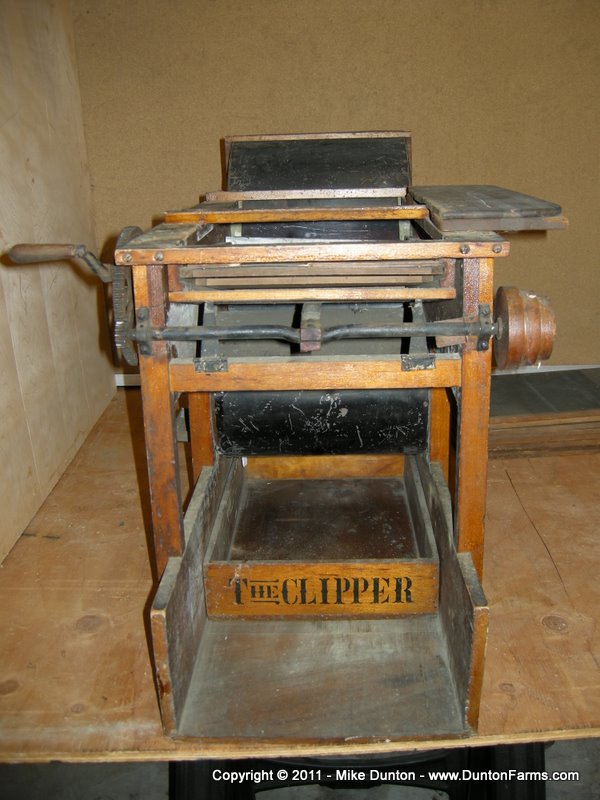
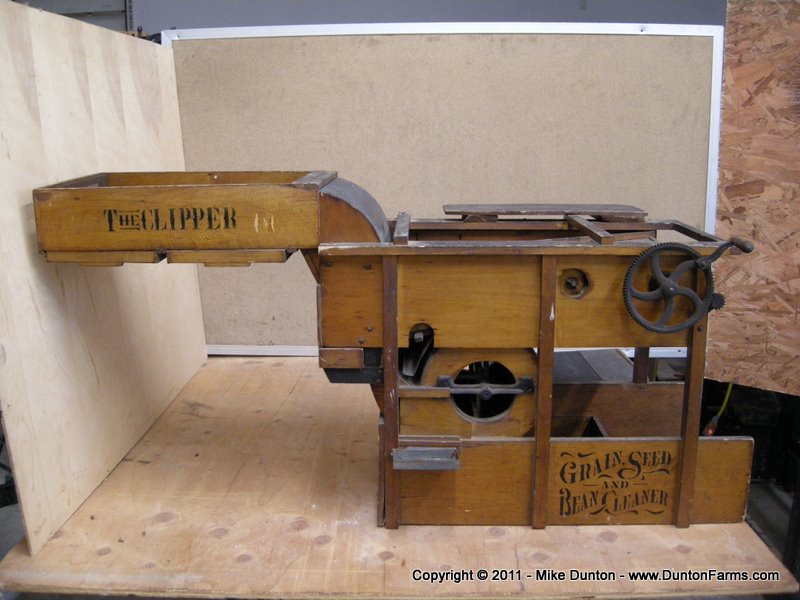
have been looking for one of these small footprint seed
cleaners for many years. Although they are still made for
testing labs and office applications, the purchase price is
too high for our meager budget.
The older models would be
great, but they have become scarce over the years and the
ones that do appear are typically bought up by antique
collectors as interesting specimens of our agrarian past.
This month I finally was able to get one.
All of the little parts
and pieces survived and are here. Additionally, it
came with several screens. These included,
screens: 1/12, 1/14, 1/15, 1/16, 1/18, 1/20, 1/22, 1/25,
28/28 and 30/30. They measure 9.75" X 15".
October 8, 2011
- I emailed A. T. Ferrell over the weekend to see if
they possibly have screens that will work in our
cleaner. I heard back from them this morning
asking for photos. I Am quickly getting this web
page up for their review. Hopefully they will have
some solution for me as I need to be able to clean
larger seeds like corn, soybeans, peas, and beans.
October 13, 2011 - I
heard back from Phil Teeple, Clipper Sales at A. T.
Ferrell Company who told me that our Clipper was
manufactured before 1950, but that was as close as he
could narrow it do to. He also let me know that screen
material, and the screens themselves, were still
available for sale.
July 9,
2018 - Wow does time sure fly! The cleaner has sat
on the workbench in the farm's shop for nearly seven
years now without being used. Part of my resolution for
2018 was to not start any new projects until all of my
existing projects have been completed. The big project
right now is reviving our IH 606D tractor but today I
got side-tracked going through a month backlog of old
emails. That is how I got back onto this project page
... a Technical Service Manager at A. T. Ferrell was
researching old Clippers, ran across this page, and was
curious about the functionality of one of the parts. He
wrote:
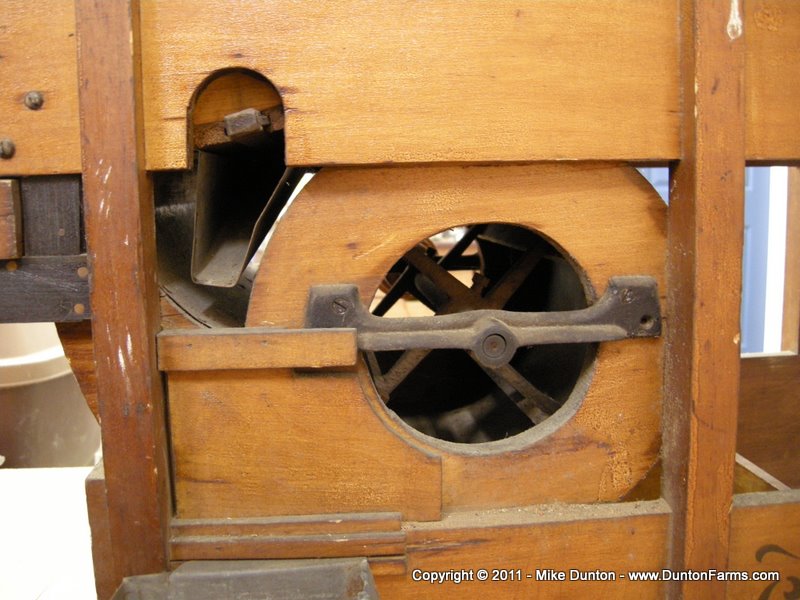
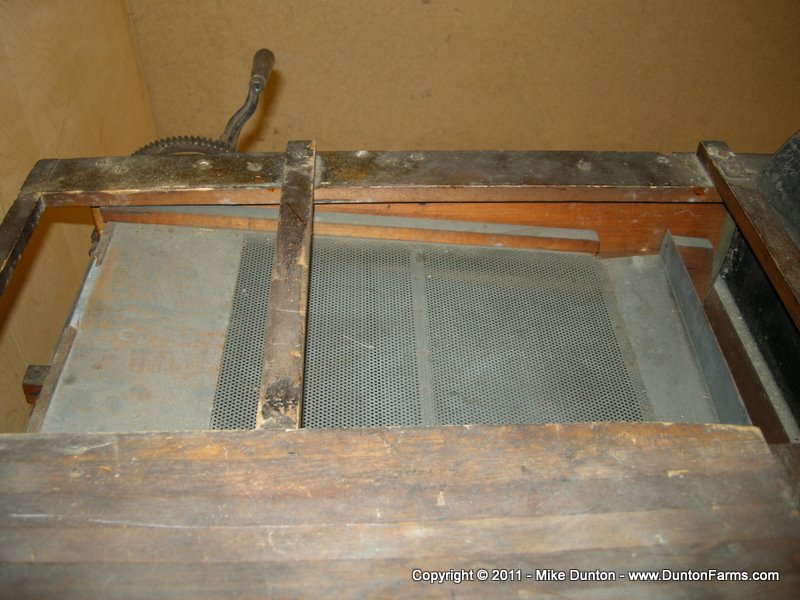
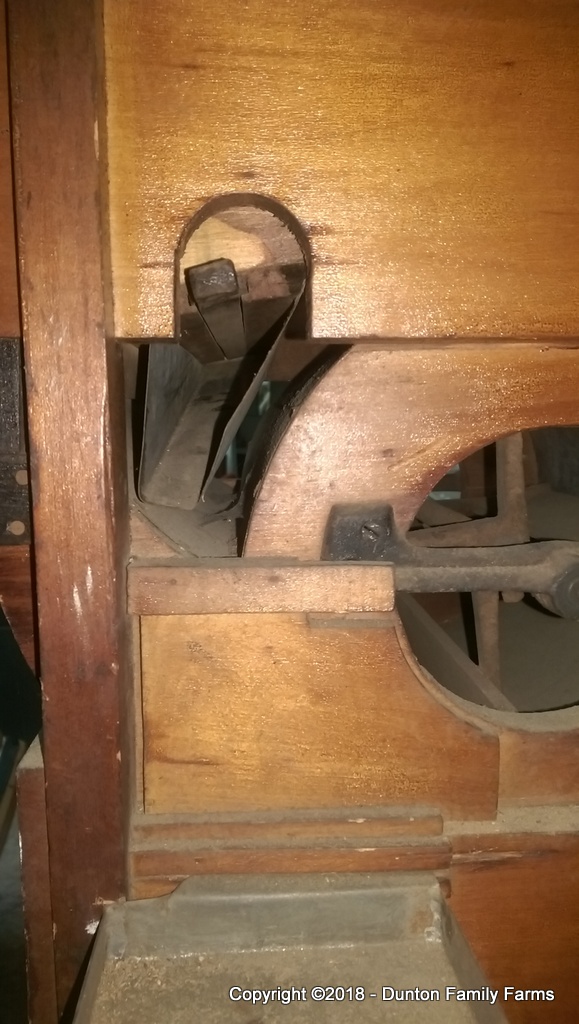
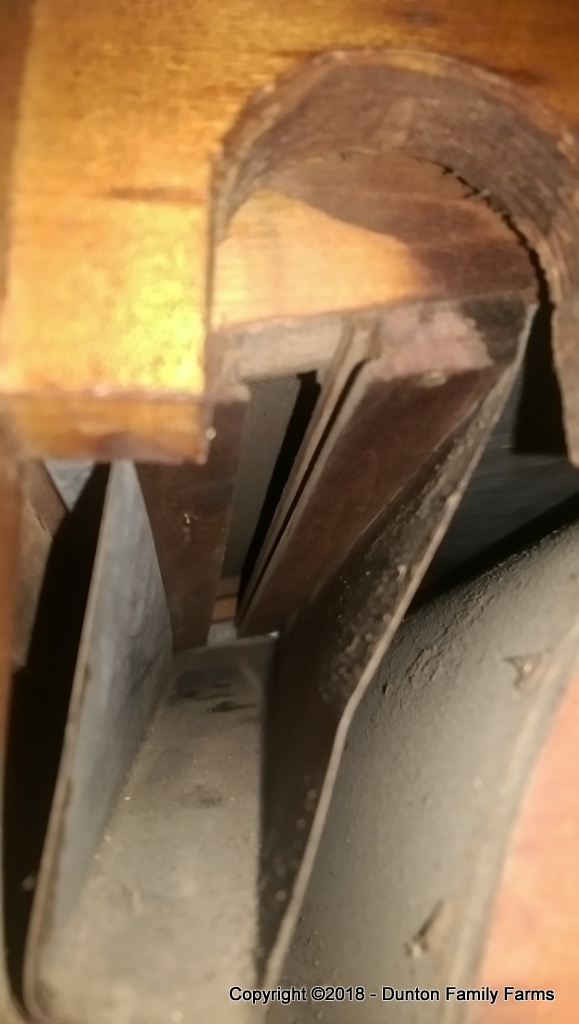
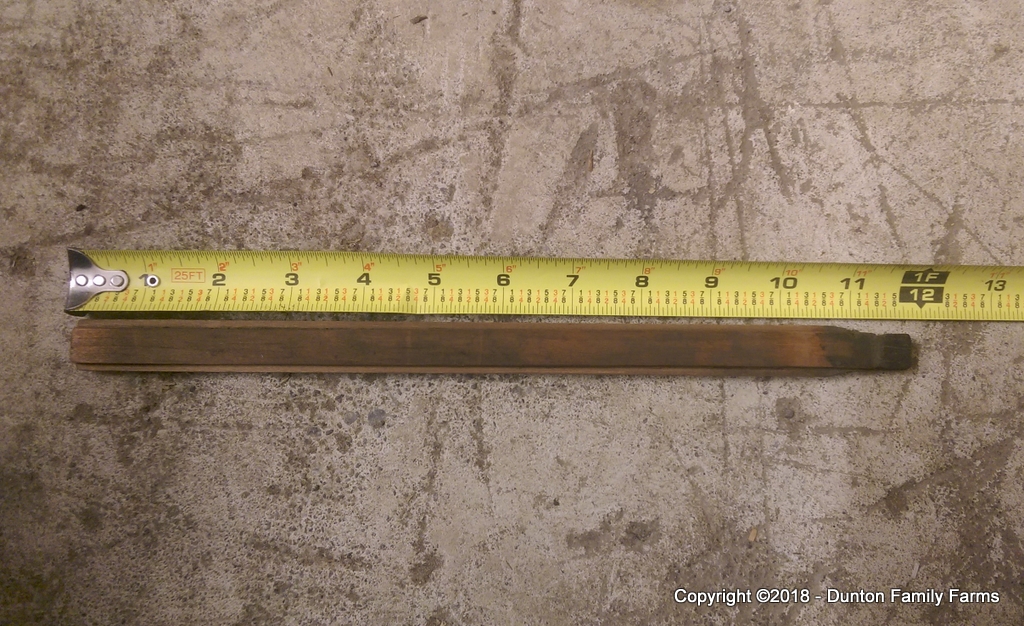
"I have a question
about one of the photos below. Above the trash shoot on
the top left there looks to be a removable stick of
wood. Can you tell me what that would be used for on
that machine? It looks as if that [ed. when it]
is in place it would prevent the trash from being
discharged from under the bottom screen. I am not sure
what that would be used for. I am doing some historical
research on past equipment and would like to include
that in my findings."
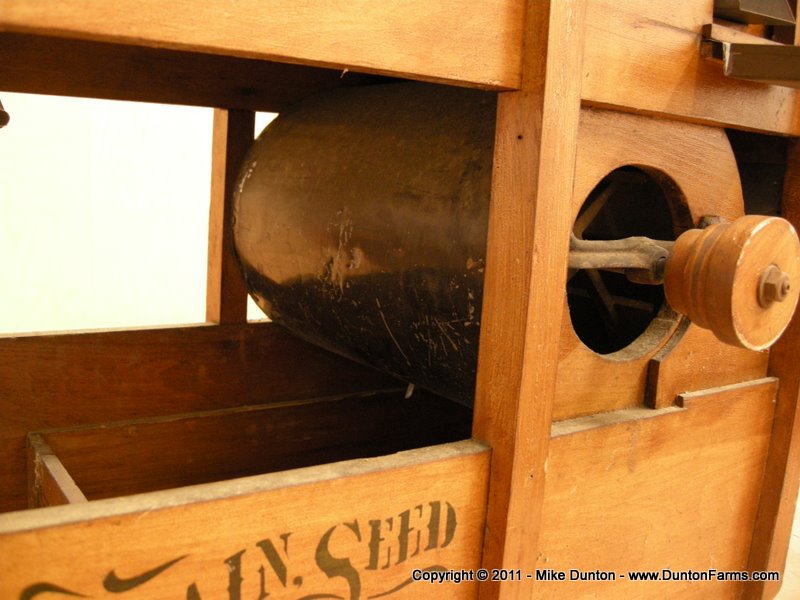
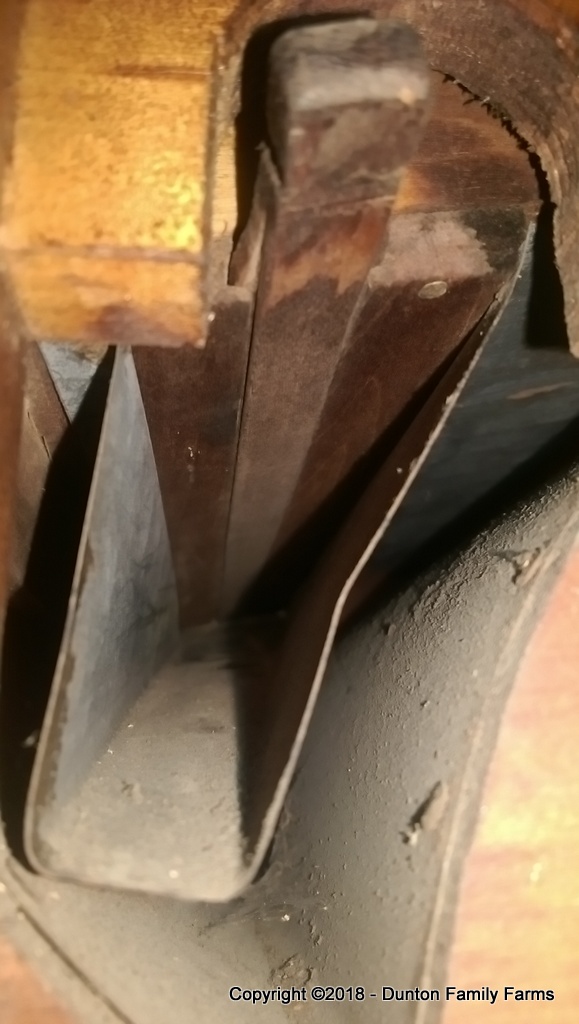
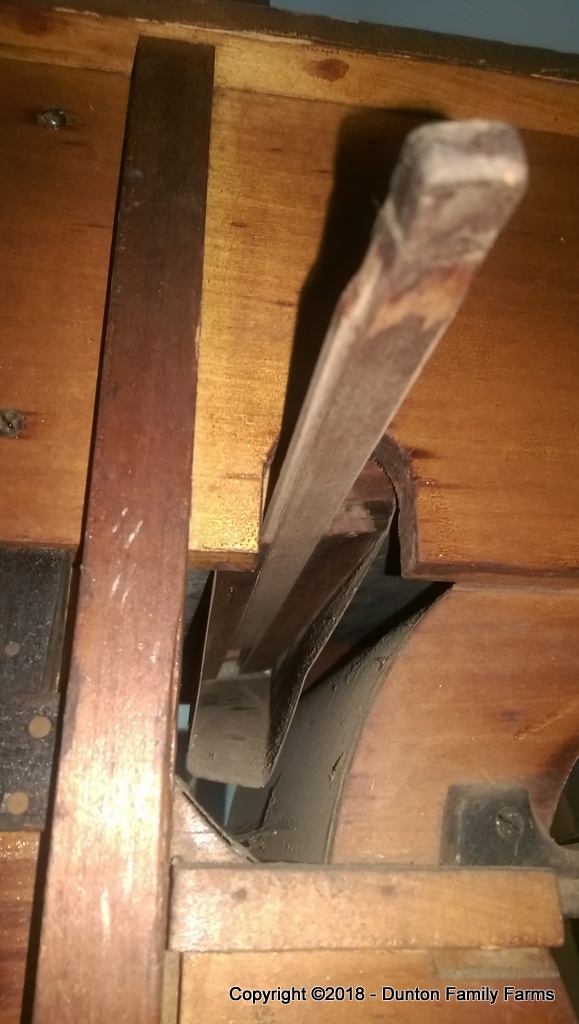
Following are more
detailed photos of the area that he is interested in. I
did confirm that with the piece in place, it seals off
the functionality of the trash chute on that side of the
machine. However, I do not know when or why it is used.
General
Operating Principles:
 1.
The seed to be cleaned is fed into the hopper and
through the vibratory action created by the machine, it
is spread evenly across the full width of the top
screen. 1.
The seed to be cleaned is fed into the hopper and
through the vibratory action created by the machine, it
is spread evenly across the full width of the top
screen.
2. The material then
moves across the top screen, which has openings larger
than the desired seed itself. The larger foreign
material is "scalped" off while the seed and smaller
material falls through the screen.
3. The bottom screen
can either sift or scalp. To set up for sifting, the
bottom screen openings must be smaller than the seed
being cleaned. Trash, weed seeds and splits drop through
the bottom screen while the good product passes over it.
(This is the flow shown in the diagram above). When
scalping, the screen openings must be larger than the
seed itself. The large foreign material is "scalped" off
while the good seed falls through the screen.
4. Next, the product is
routed through a column of air from the bottom blast
fan. This blast of air effectively removes any
lightweight trash and dust that may have remained after
screening.
5. Good, clean seed is
discharged at the bottom of the air chamber into a clean
seed box.
Links:
Company History:
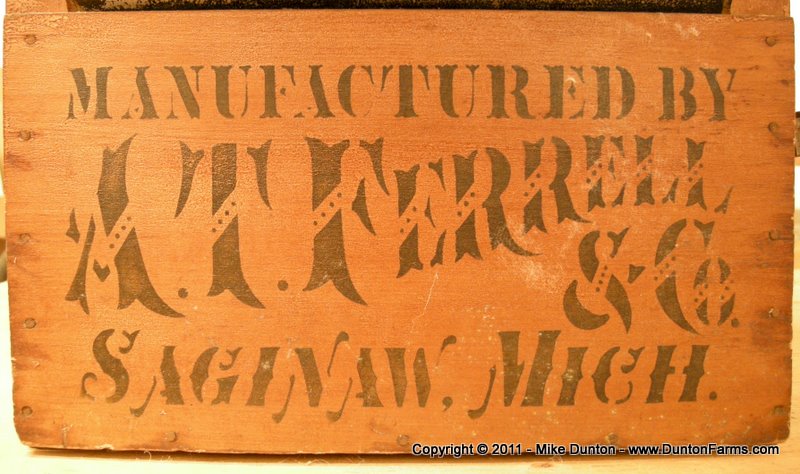
Clipper Seed Cleaners were manufactured by the A. T. Ferrell
company in Saginaw, Michigan.
The company
still makes and sells agricultural equipment, including seed
cleaners. The are on the web at:
http://www.clipperseparation.com
|